Taiwan - Environmentally friendly crop rotation model for edamame
Adaptation Framework : Promote implementation
Adaptation Option : Structural
Issue : Impacts of drought and low temperatures on crops
Core Content : Adjust planting methods
Case Characteristics : practical operation
Scale : City/County
Author : Liu Yuzhen
View : 1893
Issues and Objectives
The edamame varieties currently cultivated in Taiwan are sensitive to climate. The spring and autumn crops last for about five months a year, and the growing season is prone to drought or cold damage (Figure 1). Low land use efficiency and continuous cropping obstacles lead to reduced yield and quality. In addition, the increasingly limited water resources increase the risks of production management.
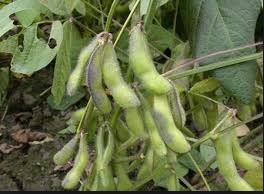
Figure 1. Symptoms of purple spots on edamame pods caused by cold damage (Image source: Reference URL 1)
Improvement Measures Taken
Researchers at the Kaohsiung District Research and Extension Station proposed solving the problem of continuous cropping obstacles by selecting cold-resistant or drought-resistant high-yield edamame varieties and rotating them with other export vegetable products such as sweet corn and broccoli.
Results
A crop rotation experiment was conducted for two consecutive years with edamame, sweet corn, and broccoli (Figure 2). The results showed that planting edamame in spring and autumn, leaving the summer crop fallow, and planting sweet corn in winter yielded the highest returns. This not only improved the efficiency of land management but also increased land use efficiency and alleviated the problem of continuous cropping obstacles.
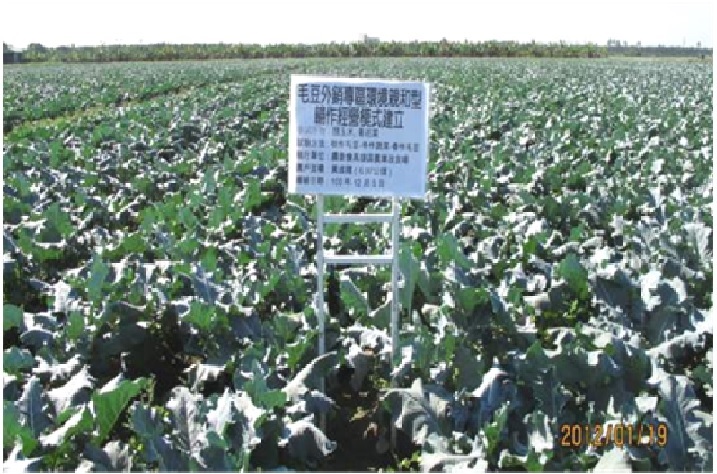
Figure 2. Broccoli field in a crop rotation system compatible with edamame (Image source: Reference 1)
References
- Environmentally friendly crop rotation in the edamame export zone. https://www.kdais.gov.tw/upload/kdais/files/web_structure/6279/103-010.pdf
- Proceedings of the Symposium on the Export Zone of Edamame. https://www.tari.gov.tw/df_ufiles/eng/no183-11.pdf
Reference Websites