Taiwan - Heating measures for aquaculture in response to low-temperature cold waves
Adaptation Framework : Promote implementation
Adaptation Option : Structural
Issue : Impacts of low temperature on aquaculture fisheries
Core Content : Adjustment of the aquaculture environment
Case Characteristics : practical operation
Scale : City/County
Author : Hou Qingxian
View : 2127
Issues and Objectives
The 2016 "Super Cold Wave" caused a major fishery disaster in Taiwan, resulting in the mass mortality of farmed milkfish, grouper, tilapia, and sea bass, and causing heavy losses to aquaculture farmers. As a result, the impact of extreme low temperature disasters on aquaculture has gradually received attention. However, with the increasing frequency and uncertainty of extreme weather events, traditional methods of keeping warm (such as windproof cloth and windproof sheds) may not be able to effectively prevent the pond water temperature from dropping too low under the influence of several consecutive days of low temperatures.
Improvement Measures Taken
The "Fishpond Heater," jointly developed by the Kaohsiung City Government Ocean Bureau, National Kaohsiung University of Science and Technology, and aquaculture farmers, uses a modified blower combined with a heater (Figure 1) and connects pipelines to the bottom of the aquaculture pond (Figure 2) to pump heated air into the pond water, creating a warm water area.
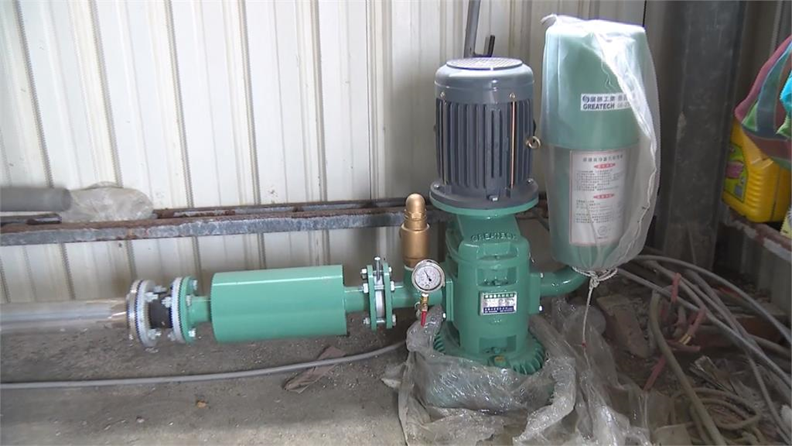
Figure 1. Fishpond heater. Image source: References
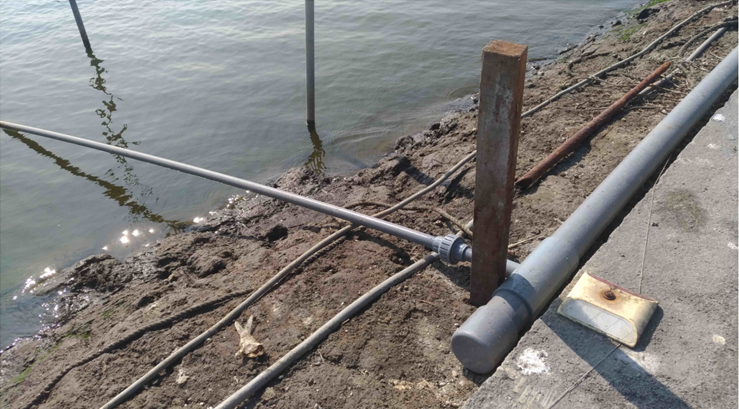
Figure 2. Pipeline laying connected to the bottom of the pool. Image source: References
Results
Currently, in the Qieding, Yong'an, and Mituo areas surrounding the Xingda Power Plant, a total of 16 aquaculture demonstration households have achieved the effect of keeping warm and resisting cold by setting up "fish pond heaters". They can adjust the water temperature in advance before the cold wave arrives, so that the fish can carry out cold-resistant behaviors within a suitable water temperature range, helping the fish to survive the cold wave. At the same time, it also increases the oxygen content in the water and promotes the circulation between the upper and lower water layers.
Reference Websites
高雄市政府海洋局(2018)。高雄魚塭防寒秘密武器 全台首創魚兒的暖氣機。https://kcmb.kcg.gov.tw/News_Content.aspx?n=6CBF144DB7F66BBD&sms=FDA94CED7B26AF3F&s=92EC933D723A3C44 。瀏覽日期:2019/04/20。