Taiwan - Detention Basin Park, Taoyuan City
Adaptation Framework : Promote implementation
Adaptation Option : Structural
Issue : Reducing the probability of flooding disasters
Core Content : Construction of flood detention facilities
Case Characteristics : practical operation
Scale : City/County
Author : Xiao Yihua
View : 2145
Issues and Objectives
Taoyuan has many dead-end rivers, and during the non-flood season, it relies on the water storage of ponds, mainly for agricultural irrigation. However, due to the large number of ponds in Taoyuan and the mixed use of industrial, domestic, and agricultural water, related wastewater is directly discharged into agricultural irrigation channels and accumulates in the ponds, easily affecting water supply and quality. The rainfall pattern in the area has shifted from the previously disaster-prone patterns of typhoons and plum rains to a predominance of short-duration, heavy afternoon thunderstorms in summer.
The Bade and Zhongli districts of Taoyuan City are important areas in southern Taoyuan. Due to urban development, the flow of water is concentrated due to the embankment effect (provincial highways and railways, etc.). The expansion of nearby urbanization has also increased surface runoff. In the stormwater drainage system that connects the Zhongli and Bade urban planning areas, the upstream catchment area is about 5.88 square kilometers. The large volume of water and the fast flow rate are one of the reasons for the increased risk of disasters. The Yuguan branch line next to the Taoyuan Irrigation Canal was originally an irrigation system. This system does not meet the specifications for urban drainage. If the rainfall exceeds 39 mm/hr, the downstream communities are very likely to be flooded.
Improvement Measures Taken
To effectively reduce the risk of flooding in the area, the Longshan Pond Ecological Park was established next to the Yuguanchu branch line. Key projects include widening the Yuguanchu branch line (the original river channel is now only half its current size) and river channel rerouting (increasing the flood detention area). The flood detention space is divided into an upper pond (flood detention park) and a lower (underground palace) reinforced concrete and rainwater paving bricks, with a total flood detention capacity of approximately 73,500 cubic meters.
The flood retention basin operates as follows: when floodwaters arrive, they first enter the lower basin; the river overflows naturally, flowing into the lower basin through surrounding connecting wells; pumps are activated only after rainfall subsides and downstream water levels drop; the final drainage mechanism uses gravity overflow combined with pumps. In addition to the above flood retention mechanisms, evacuation and warning systems are also in place. Water level monitoring facilities are installed upstream and downstream of the flood retention basin branching off at Yuguan, and combined with rain gauge data, 24-hour water level forecasts and early warnings can be provided. A guard post is also set up at the entrance of the ecological park to assist in the evacuation of the public.
Maintenance of the retention pond after its operation is also an important part, including sedimentation treatment. The project adopts natural overflow and sedimentation, and the surrounding area is made of rainwater paving bricks and concrete structure to facilitate cleaning. The dredging will be carried out by manual labor and machinery. The project is integrated with the groundwater system, so groundwater can be extracted for irrigation of the lawn above, flushing toilets and other domestic water use.
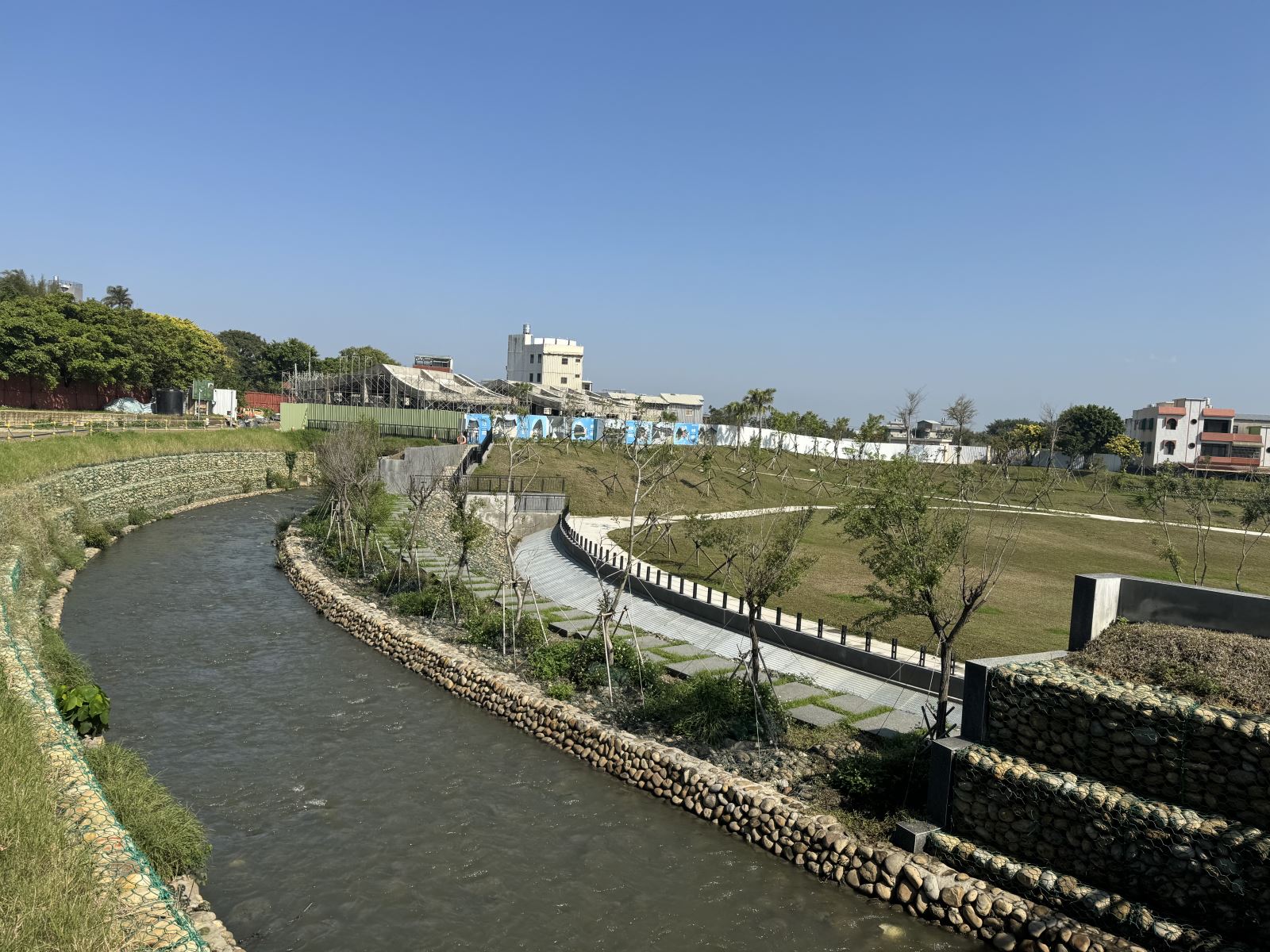
Figure 1. Widening of the dividing line at the fish tube
.jpg)
Figure 2. Longshan Pond Ecological Park - Upper Retention Pond
.jpg)
Figure 3. Longshan Pond Ecological Park - Underground Palace - Lower Pool of Flood Detention Pond
Results
In the early stages of the overall design and planning, because residents were unfamiliar with non-river-related engineering facilities, the local village chief and others communicated and coordinated to plan the upper part of the flood detention basin (the above-ground part) as a park to provide a recreational place for local residents. They also understood that this could reduce the occurrence of disasters, and only then did they accept the construction of the flood detention basin.
Following completion, the project was promoted for its functions and educational purposes. A community center was built nearby to enhance community activities, and the space was effectively and diversely planned. It opened on October 29, 2023, and has not caused any flooding to date.
References
Source: Taoyuan City Government Water Resources Bureau
Reference Websites