Taiwan - Development of rice variety Taichung No. 192
Adaptation Framework : Promote implementation
Adaptation Option : Technological,Structural
Issue : High temperatures, insufficient irrigation water
Core Content : Genetic improvement, demonstration planting
Case Characteristics : practical operation
Scale : Transnational/National
Author : Liu Yuzhen
View : 2941
Issues and Objectives
In recent years, due to climate change and rising temperatures, the appearance quality of rice grains in many rice varieties has been affected, with an increase in the occurrence of chalky white spots (Figure 1), which reduces the value of rice.
.JPG)
.JPG)
Figure 1. The appearance of chalky grains in white rice (Image source: Reference 1)
Improvement Measures Taken
To increase the options for Japonica (non-glutinous round-grain) rice varieties, the Taichung District Agricultural Research and Extension Station began breeding the rice variety 'Taichung 192' in 1999 (Year 88 of the Republic of China), and it was officially registered as a variety in 2017.
Results
Taichung 192 (Figure 2) was selected by hybridization of Taijing 14 and Taijing 8 as parent varieties. It is a mid-to-late maturing japonica rice variety. This variety has the characteristics of high yield, high temperature resistance, good rice quality and lodging resistance. In addition to slightly higher yield than Taijing 9, it has a lower proportion of white grains in the heart and abdomen, which can help with variety replacement and avoid the problem of variety aging.
After conducting trials of Taichung 192 in six regions of Taiwan, the Taichung Rice Research and Extension Station recommended that local farmers' associations adopt it as a replacement variety for japonica rice.
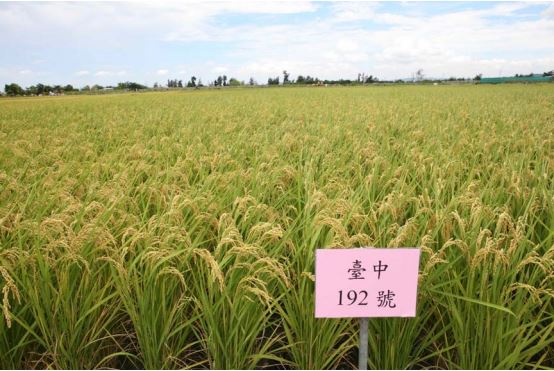
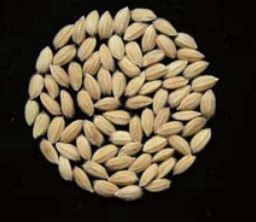
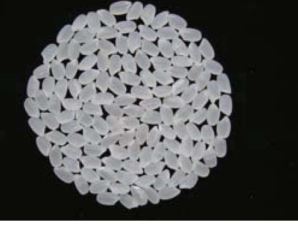
Figure 2. Overview of Taichung No. 192 Field District (top), rice (bottom left) and white rice (bottom right) (Image source: Reference 2)
- On November 8, 2017, the Taichung District Agricultural Research and Extension Station held a demonstration and observation meeting on the rice variety Taichung 192 in Xingfu Village, Dajia District, Taichung City. The station recommended that the Dajia area switch to planting the Taichung 192 variety. The Dajia District Farmers' Association also hopes to improve the quality of rice damaged by global warming through variety conversion.
- Caotun District, Nantou County: The Taijing 9 variety has a high percentage of white grains in the heart and abdomen. In order to pursue higher quality rice, the Caotun Farmers' Association encourages farmers who originally planted Taijing 9 to try new varieties in order to obtain better quality rice and increase their income.
References
Reference Websites