Taiwan - Development of a community-based self-reliant flood disaster prevention program in Erxing Village, Tainan City
Adaptation Framework : Promote implementation
Adaptation Option : Behavioral
Issue : Weather events threaten safety
Core Content : Establishment of a community-based disaster prevention mechanism
Case Characteristics : practical operation
Scale : Townships/Communities
Author : Xiao Yihua
View : 2763
Issues and Objectives
In recent years, rainfall patterns in Taiwan have been affected by climate change and have become more extreme. High-intensity and long-duration rainfall has led to larger-scale, wider-ranging, and more impactful flooding than in the past. The severe flooding in Tainan caused by Typhoon Morakot in 2009 is a prime example.
This case study focuses on Erxing Village, formerly known as "Ercengxing," in Rende District, Tainan City. Located in the southernmost part of Tainan City and the southwestern part of Rende District, its geographical location is shown in Figure 1. Dajia Village is to the west, and the two villages share a common activity center. Provincial Highway 1 runs through the east. The main roads within the village are Zhongzheng West Road and Xingdajie, connected by the Sanye Creek Drainage System and the Dajia Drainage System. The main cause of flooding in the community is its low-lying location and small drainage sections, leading to insufficient drainage during heavy rains. The main sources of flooding are the Sanye Creek Drainage System and the Dajia Drainage System. In addition to the flooding of approximately 130 cm in many areas caused by Typhoon Morakot, the village has also been affected by typhoons such as Fanapi, Kongri, Nepartak, and Megi in recent years, resulting in varying degrees of flooding.
Although various water management projects have been completed and have played a certain role in mitigating floods, it is undeniable that engineering measures have their limitations. The uncertainty of the timing, location, and scope of impact of several floods in recent years has become a major challenge for disaster prevention and relief work, highlighting the indispensable importance of non-engineering measures such as early warning, notification, and response.
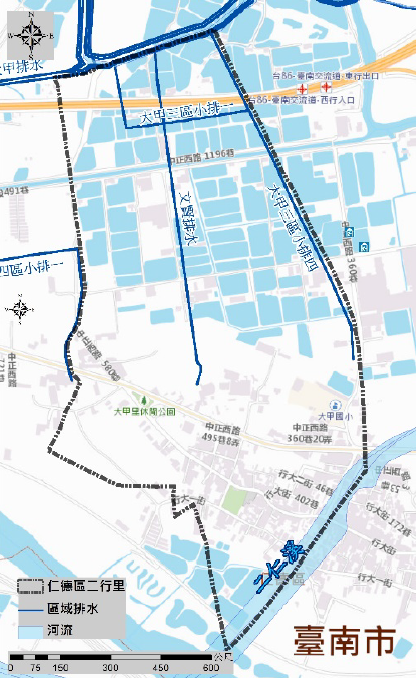
Figure 1. Geographical location map of Erxing Village, Rende District, Tainan City. Image source: Reference 1
Improvement Measures Taken
A disaster prevention organization was also established in Erhangli, which includes six groups: alert group, evacuation group, preparation group, containment group, guidance group, and support mobile group. Each group performs relevant tasks for different parts. The task organization diagram of Erhangli is shown in Figure 2.
Key work projects are divided into two main categories: the establishment of new communities and the maintenance of existing communities. The establishment of new communities includes two parts: first, the establishment of evacuation and refuge systems for new flood-prone self-reliant disaster prevention communities, including setting flood prevention and evacuation and refuge warning values, and promoting and operating these communities; second, the procurement of emergency response equipment and supplies for these communities, including water level gauges, rain gauges, and the establishment of a flood warning information activation system for residents. The maintenance of existing communities also includes two parts: first, the continuous updating and operation of existing flood-prone self-reliant disaster prevention communities, including disaster prevention education and training, flood control drills, community exchange and observation, and insurance for disaster prevention personnel; second, the procurement and replenishment of emergency response equipment and supplies for existing communities, including the procurement and installation of emergency response equipment and the replenishment of emergency response equipment and spare parts. A photo of a flood control drill is shown in Figure 3. A disaster prevention map has also been created for the neighborhood to facilitate residents' timely disaster reporting and implementation of relevant evacuation measures; the disaster prevention map is shown in Figure 4.

Figure 2. Disaster Prevention Organization and Task Allocation Map of Erxing Village, Rende District, Tainan City
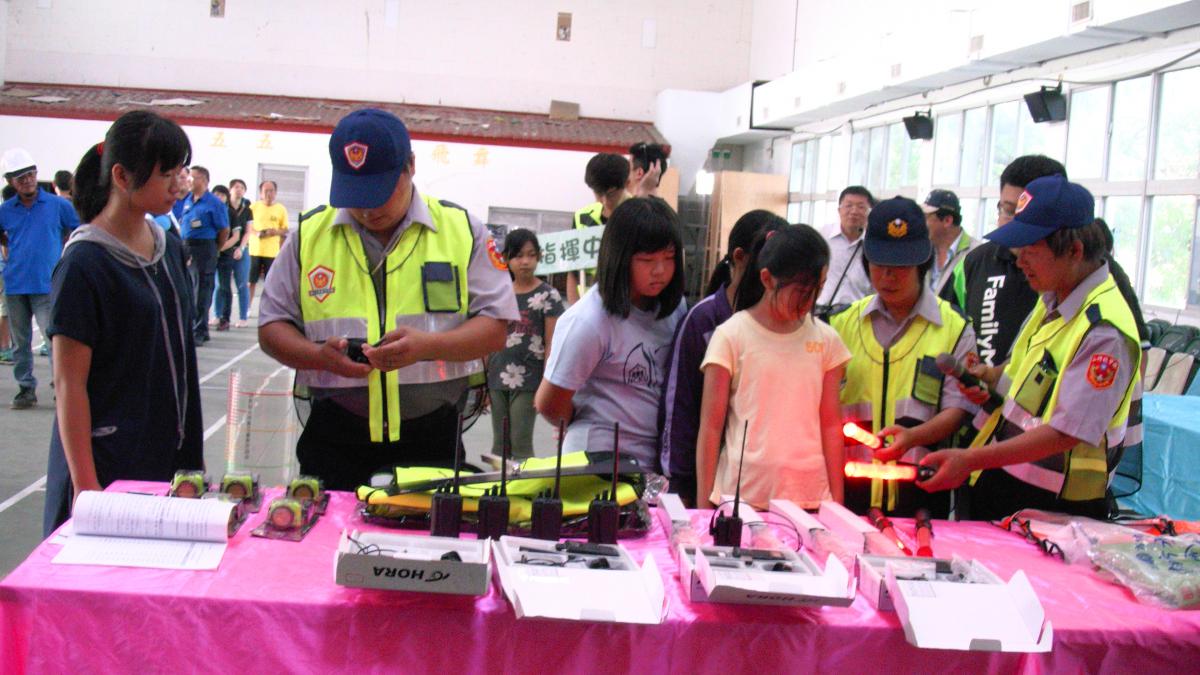
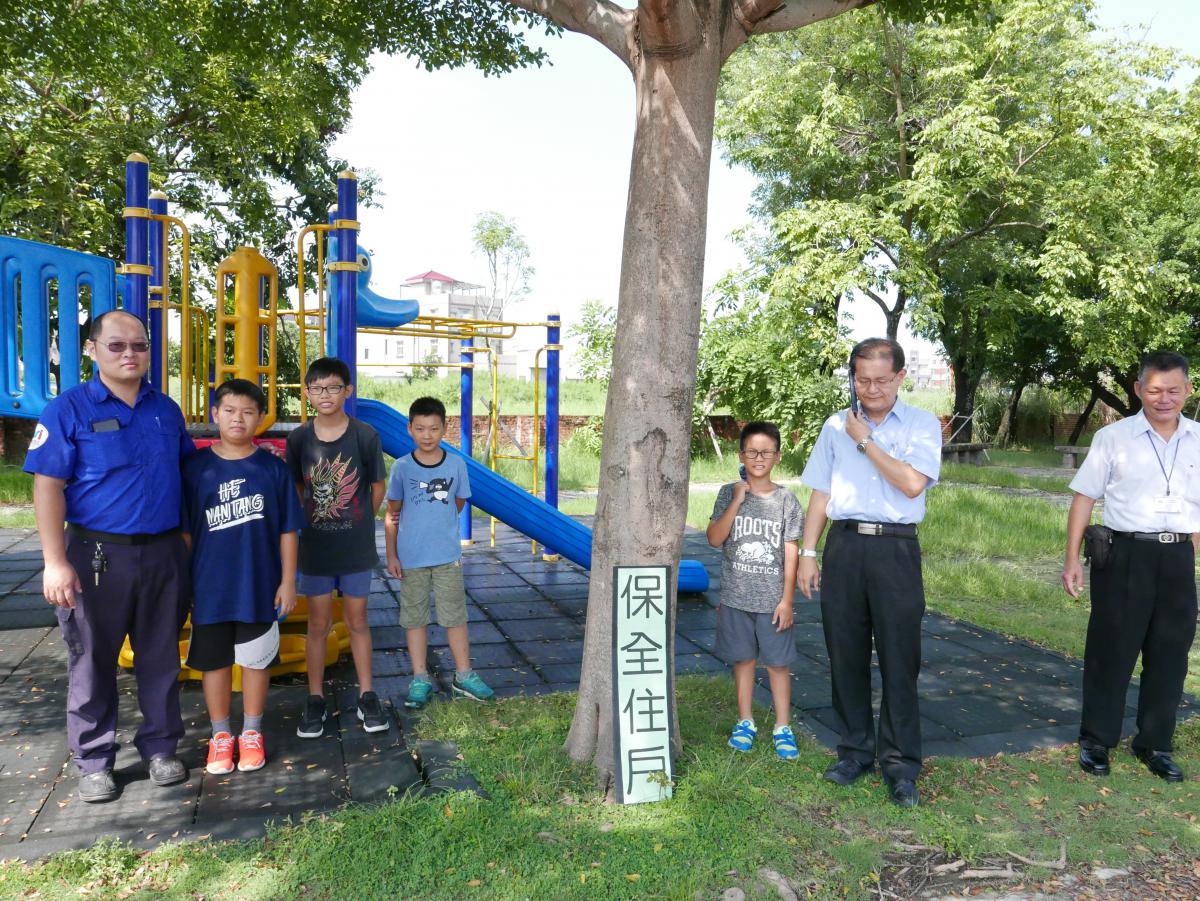
Figure 3. Photo of a flood prevention drill conducted by the self-reliant disaster prevention community in Erxing Village, Rende District, Tainan City. Image source: Reference website.
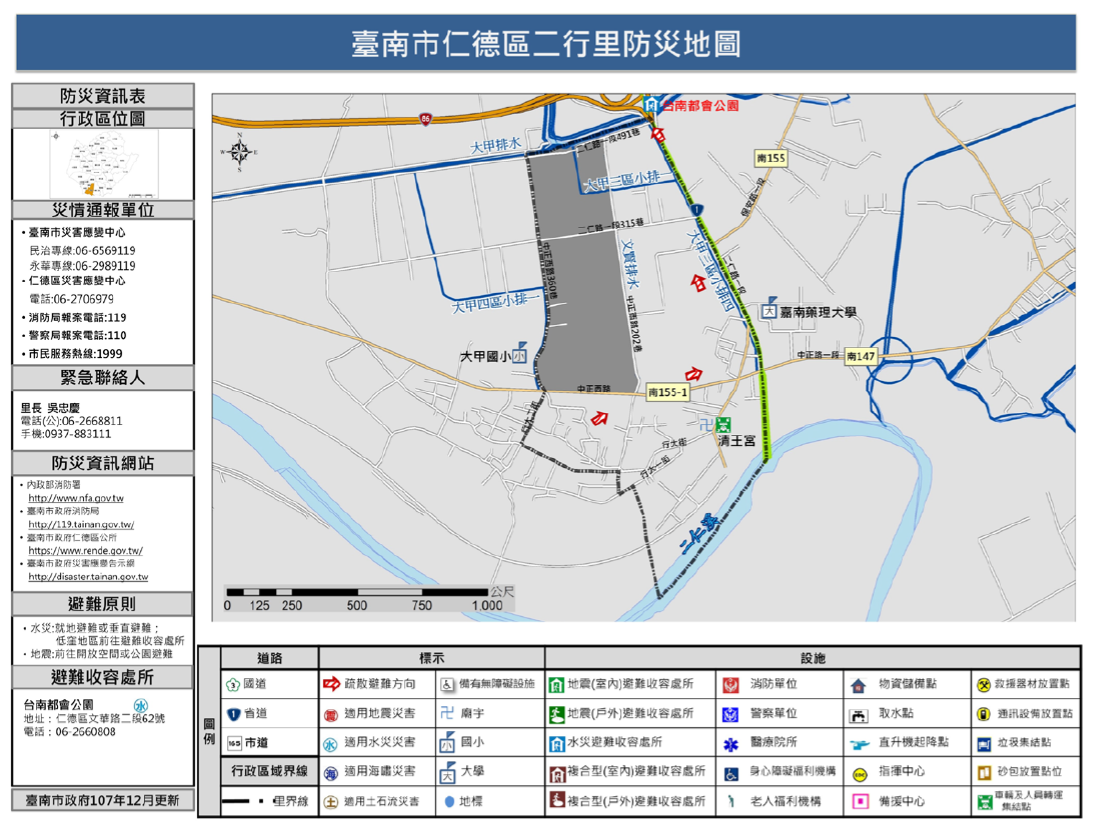
Figure 4. Disaster Prevention Map of Erxing Village, Rende District, Tainan City. Image source: Reference 1
Results
With the continued implementation of this plan, residents' disaster prevention concepts have been effectively implemented, and a consensus on disaster prevention has been formed. For example, during the heavy rain on August 22, when the rain was expected to continue in the afternoon, water pumps were immediately activated. The following morning, the city government's disaster response center was activated at level two, and drainage pumps were immediately activated. The alert team continued to patrol and reported to the command center, and related water pumps and other disaster prevention and response measures were activated one after another to minimize the damage.
References
- Evacuation and refuge plan for Erxing Village, Rende District, Tainan City, 2018.
- 2018 Tainan City, Rende District, Erxing Village Flood Self-Prevention Community Assessment.
Reference Websites
Tainan City's self-reliant flood prevention community.http://www.tainanfrc.com.tw/home
Attachments
- 107年度台南市仁德區二行里水患自主防災社區評鑑.pdf
- 107年度台南市仁德區二行里疏散避難計畫書.pdf