Taiwan - Flood-resistant planning for Zhangtan Village, Dongshi Township, Chiayi County
Adaptation Framework : Promote implementation
Adaptation Option : Structural
Issue : Frequent flooding threats
Core Content : Building flood resilience
Case Characteristics : practical operation
Scale : Townships/Communities
Author : Xiao Yihua
View : 2765
Issues and Objectives
Due to its low-lying terrain and land subsidence, the southwestern coastal areas of Taiwan are prone to flooding, especially during high tides. Flood control projects can only provide short-term disaster prevention and reduce the severity of flooding, but cannot prevent it from happening altogether. The 2018 August 23rd torrential rains caused severe flooding in the southwestern coastal areas. Facing increasingly frequent extreme weather events with unpredictable impacts, the Water Resources Agency used Zhangtan Village in Dongshi Township, Chiayi County as a case study, shifting its focus from simply preventing flooding and strengthening flood control to a plan that emphasizes resilience against flooding.
Improvement Measures Taken
The flood tolerance planning goal of this project is to set "acceptance standards" based on the highest flood depth and duration of the 823 flood. The expectation is that even in the same flood situation in the future, there will be no need to evacuate and no property loss.
The plan includes the application of building waterproofing technologies, including both dry and wet waterproofing. For dry waterproofing, amphibious structures that can float with the water level can be evaluated. For wet waterproofing, interior modifications can be made, such as adding lift-up devices to easily damaged furniture. In addition to these methods, the plan also includes transforming the activity center into a resilient recreational workstation, along with a newly constructed elevated walkway system, ensuring that residents' activities are not disrupted during flooding.
In addition to improving the overall spatial configuration of the settlement, including buildings and life support facilities, the plan also aims to transform industries in the long term, creating industries that thrive in harmony with water, such as fishpond cooperatives, fishing village experiences, and water sports tourism development, and promoting strategies to change residents' mindsets.
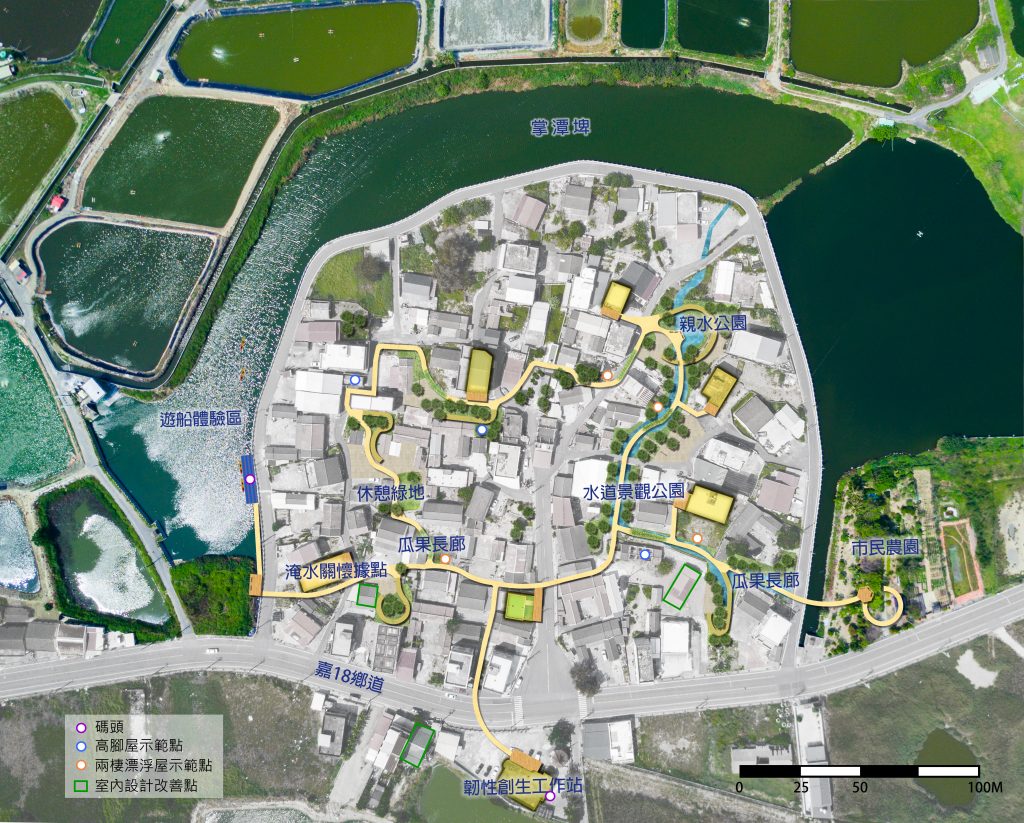
Figure 1. Schematic diagram of flood resistance plan for Zhangtan Village (Image source: Classic Engineering Consulting Co., Ltd.)
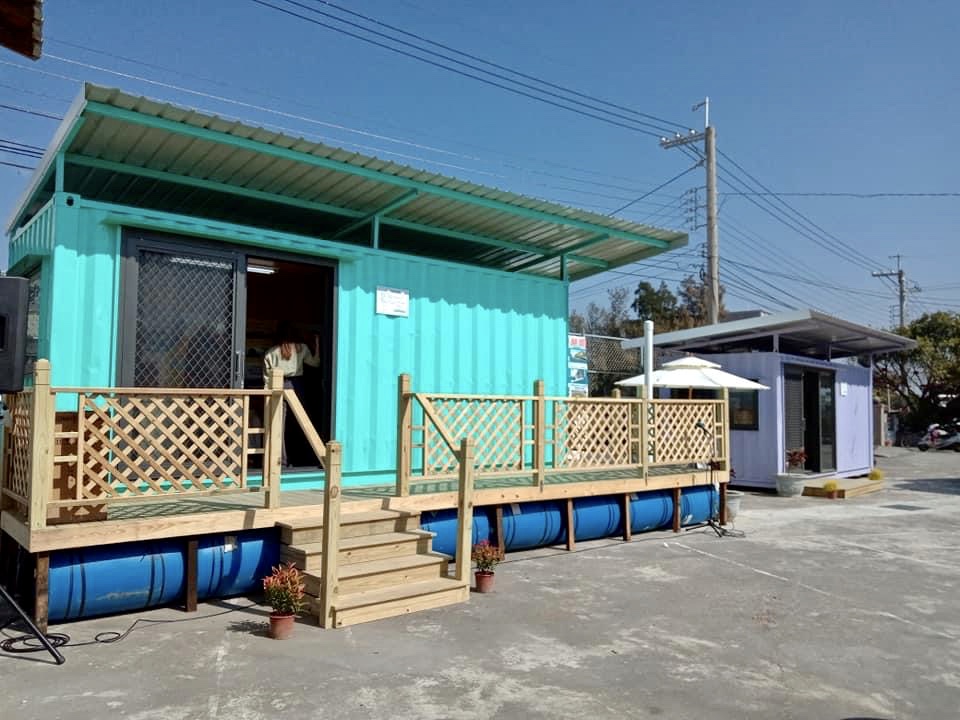
Figure 2. Schematic diagram of dry waterproofing (left) and wet waterproofing (right) demonstration houses (Image source: Classic Engineering Consultants Ltd.)
Results
Currently in the planning stage, it is hoped that a combination of hardware and software strategies can be adopted in the future to enhance the flood resilience of villages along the southwest coast.
References
Water Resources Planning and Experimentation Institute, Water Resources Agency, Ministry of Economic Affairs (2019). Flood Tolerance Case Study of Villages in Southwest Coastal Taiwan.
Reference Websites
City News in Focus - Creating a Resilient Community That Is "Pleasing Even When Flooded": Flood-Resistant Planning in Zhangtan Village.https://eyesonplace.net/2021/01/27/16247/